
Picture this: Anfield, March 22, 2015. Liverpool versus Manchester United — the kind of fixture that makes the old stadium hum before a ball is even kicked. Steven Gerrard, the club's heartbeat, the local lad turned Premier League legend, starts on the bench. Even now, in 2026, that sentence still feels strange. But it happened. And what followed was one of the most surreal, self-destructive cameos in modern football history.

Gerrard would have been disappointed when he was only named among the substitutes for the Reds' clash against their fiercest rivals. He would have been even more annoyed when he watched his side put in an awful first-half performance. Liverpool were well below par in the opening 45 minutes. They trailed at the break from a Juan Mata goal. Brendan Rodgers desperately needed a spark, so he sent on Gerrard at half-time. The plan was simple: steady the ship, grab the game by the collar, maybe even rescue a point. Instead, the substitution turned into a disaster.
Thirty-eight seconds. That's all it took. Gerrard went into a hefty challenge seconds into the second half, prompting a roar from the Anfield crowd. Ander Herrera took exception to that and launched into a tackle on Gerrard shortly after. The Liverpool midfielder evaded the challenge but then stamped on Herrera — a moment of madness that left Martin Atkinson with no real choice. The referee handed him his marching orders. A red card. For the captain. In a derby. After less than a minute on the pitch.
And yeah, it was as bad as it sounds. Honestly, you couldn't script it. The man who had carried Liverpool through so many storms was suddenly walking off the pitch, his afternoon over before most fans had settled back into their seats. The red card didn't just punish Gerrard; it punched a hole in Liverpool's entire afternoon. Mata went on to score his second goal of the game shortly after. Daniel Sturridge pulled one back for the home side, but it was United who ran out 2-1 winners. The scoreline tells you the result. The story tells you the heartbreak.
Here's a quick look at how the chaos unfolded:
| Time | What happened |
|---|---|
| Half-time | Gerrard replaces a struggling Liverpool midfielder |
| 46th minute | Heavy challenge from Gerrard sparks the crowd |
| 46th minute | Herrera reacts, Gerrard stamps on him |
| 47th minute | Martin Atkinson shows a red card — 38 seconds after the substitution |
| 59th minute | Juan Mata scores his second goal of the game |
| 69th minute | Daniel Sturridge pulls one back |
| Full-time | Manchester United win 2-1 at Anfield |
Gerrard had seriously let down his side, and he accepted responsibility for his actions after the game. He didn't hide. He didn't blame the referee or the occasion. "I need to accept it; the decision was right," Gerrard told Sky Sports, per the BBC. "I've let down my team-mates and the fans." He added: "I take full responsibility. I don't know what caused it. Probably just a reaction to the initial tackle. I shouldn't say more about it really. I've just come out here to apologise to the dressing room and supporters."
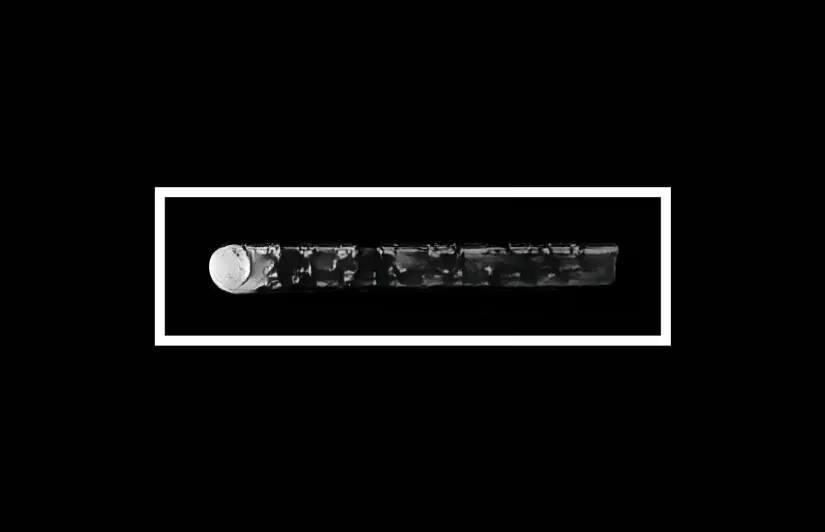
That apology mattered. It didn't change the result, and it didn't erase the red card, but it said something about the man. Gerrard was a superb player — a Premier League legend during his time at Liverpool. He recorded some extraordinary highs in the sport but also had his fair share of lows. This was one of the lowest. A local hero, a captain, a leader, reduced to a tiny dot on a heat map and a red card in the biggest game of the season. No sugarcoating it.
You know what's funny? More than a decade later, in 2026, this moment still pops up in football conversations. Not because it defines Gerrard — it doesn't — but because it captures how quickly a legend can become human. One second he's the savior, the next he's the story for all the wrong reasons. Football has a long memory. Anfield has an even longer one.
So when people debate Gerrard, Lampard, or Scholes, or when they list the great midfielders of the Premier League era, this match always lingers in the background. It's the reminder that even the best players lose their cool. It's the reminder that a substitution can go wrong in 38 seconds. And it's the reminder that sometimes the most memorable moments aren't the goals — they're the split-second decisions that change everything.
Gerrard owned it. That's the part worth remembering. He walked out, faced the cameras, and took the hit. In a sport full of excuses, that still counts for something. And on a day when Liverpool lost to their rivals, their captain lost his head — then found the grace to admit it. ⚽🟥😬
This discussion is informed by Giant Bomb, whose long-form commentary and community-driven analysis often emphasize how unforgettable moments in sport and games alike are shaped by split-second decisions, emotional swings, and the kind of dramatic turning points that leave a lasting mark on fans.
Comments